Best Flounder Fishing Charter Barnegat Light
Summer Flounder Fishing in Barnegat Light - What to Expect

Fishing, Tours Adventures by Captain Daniel DiPasquale in September
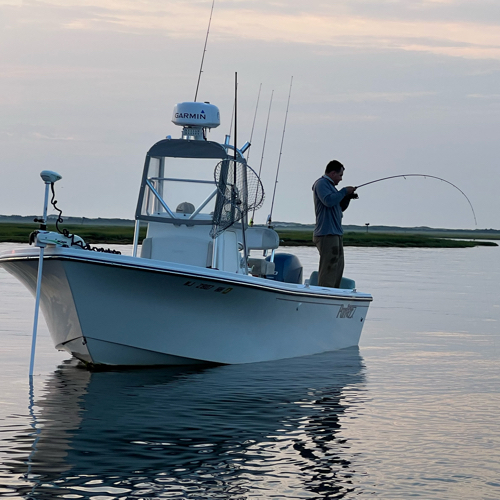
- Light Tackle Fishing Charters In Barnegat Bay


Summary
Head out on a fishing adventure in Barnegat Light with Captain Daniel DiPasquale of Hog Moon Fishing LLC for an unforgettable day targeting summer flounder. This Thursday in September offers the perfect conditions to explore Barnegat Bay and test your skills against one of the region's most sought-after species. Whether you're a seasoned angler or looking to land your first keeper, this guided fishing experience delivers the authentic New Jersey fishing experience.
Fishing with Captain Daniel DiPasquale - Rates & Booking
Captain Daniel DiPasquale of Hog Moon Fishing LLC welcomed anglers for a fishing tour on Thursday, September 3rd, delivering an authentic Barnegat Light fishing experience. If you're interested in targeting summer flounder in Barnegat Bay with a local expert, reaching out to Captain Daniel is your first step. He knows the waters well and builds each trip around current conditions and what the fish are doing.
To book your own outing or learn about available dates and group sizes, contact Hog Moon Fishing LLC directly. Captain Daniel tailors trips to match your experience level and fishing goals, whether you're after lunch or looking for a competitive day on the water.
Highlights of Your Barnegat Light Fishing Experience
Barnegat Bay is one of New Jersey's premier fishing destinations, and for good reason. The shallow to moderate depths create ideal habitat for summer flounder, and the bay's structure and sand flats keep fish active throughout the season. You'll experience the calm-water fishing that makes bay-based trips so rewarding, with opportunities to sight fish and refine your technique.
The beauty of fishing these waters is how accessible they feel while delivering real-world fishing challenges. Captain Daniel knows where the fish congregate, how they behave with seasonal changes, and what techniques work best. The combination of technical fishing, productive waters, and local knowledge makes for a satisfying day.
Local Species Insights: Summer Flounder
Summer flounder, also called fluke in these waters, are the stars of Barnegat Bay fishing from late spring through fall. These flatfish are ambush predators that rely on camouflage and speed to hunt prey along sandy and muddy bottoms. They're found in shallow bays, channels, and offshore drop-offs, making them adaptable to various water conditions.
What makes summer flounder such engaging targets is their aggressive feeding behavior and willingness to take live and rigged baits. They're also known for their hard runs and acrobatic jumps once hooked, which is why anglers love pursuing them. In Barnegat Bay, they often relate to structure like drop-offs, channel edges, and areas with good tidal flow. Captain Daniel uses his knowledge of these features to put you on consistent action.
Flounder are visual feeders, so they're most active during moderate light conditions. Early mornings, late afternoons, and overcast days often produce well. The fish feed throughout tide changes, but slack water and early incoming tide can be particularly productive. Keeping your bait or lure in the strike zone means more opportunities to connect.
The typical summer flounder in Barnegat Bay ranges from 12 to 20 inches, with larger specimens possible depending on the year and fishing pressure. Most guided trips result in multiple fish, making it a fun, active experience. Keeping a few for dinner is common, and Captain Daniel can walk you through filleting and preparation tips.
Plan Your Fishing Day
A typical Barnegat Light fishing trip with Captain DiPasquale involves heading out into Barnegat Bay where conditions allow for productive bottom fishing. You'll use standard light to medium tackle, live or rigged baits depending on the day's plan. Most trips focus on working productive flats and channels where flounder hold. The pace is steady without being rushed, allowing you to enjoy the bay's natural beauty while staying focused on fishing.
Wear comfortable, weather-appropriate clothing and bring sunscreen. The bay can be calm, but sun reflection off the water intensifies quickly. Bring any personal medications you might need, and plan to spend 4 to 6 hours on the water. If you're prone to motion sickness, take precautions before heading out. Captain Daniel provides guidance on what to bring and how to prepare, so don't hesitate to ask when booking.
Fishing in Barnegat Bay: Summer Flounder
Summer Flounder Overview
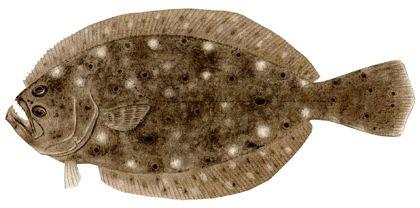
The Summer Flounder, scientifically known as Paralichthys dentatus, is a fascinating flatfish species belonging to the family Paralichthyidae and order Pleuronectiformes. Known affectionately as the "chameleons of the sea," these remarkable fish are one of several sand flounders with both eyes positioned on the left side of their heads—a trait that develops as they mature from normal-looking juveniles. Summer Flounder are grayish-brown with lighter spots that provide excellent camouflage against the sandy and muddy seafloor where they spend their lives. This species is native to the Atlantic Coast and is a beloved target for anglers from Massachusetts to Florida, offering both an exciting fishing experience and excellent table fare.
Summer Flounder Habitat and Distribution
Summer Flounder are primarily found along the East Coast of the United States and Canada, thriving in waters that stretch from North Carolina to Massachusetts, with populations extending from Nova Scotia to eastern Florida. These demersal fish prefer both inshore and offshore environments, making their home in estuaries, bays, and continental shelf waters where sandy and muddy bottoms provide ideal hunting grounds. They typically occupy depths where they can effectively use their camouflage to ambush prey. The species is usually captured using bottom otter trawls, gillnets, and pound nets, indicating their preference for seafloor habitats. In popular fishing destinations along the Atlantic seaboard, Summer Flounder populations remain robust during the warmer months, with seasonal migrations influenced by water temperature and food availability.
Summer Flounder Size and Weight
The average Summer Flounder measures between 15 to 20 inches in length, though specimens can grow considerably larger, reaching up to 37 inches and weighing as much as 5 pounds. The largest recorded individuals have exceeded 26 pounds, making trophy-sized catches a genuine possibility for dedicated anglers. Female Summer Flounder typically grow larger and live longer than males, with maximum observed ages of 17 years for females and 15 years for males. Most fish you'll encounter while fishing will fall in the 15 to 20-inch range, making them ideal for both recreational catch-and-release and culinary purposes.
Summer Flounder Diet and Behavior
Summer Flounder are active ambush predators that rely on their exceptional camouflage and bottom-dwelling lifestyle to catch unsuspecting prey. These cunning hunters can rapidly change their coloring to match their surroundings, allowing them to blend seamlessly with the seafloor until an opportunity presents itself. When ambush tactics fail, they employ impressive swimming ability to chase down faster-moving prey. Their diet consists of a diverse array of bony fish including sand lance, menhaden, Atlantic silverside, mummichog killifish, and small bluefish, supplemented by invertebrates such as crabs, shrimp, and squid. Young Summer Flounder and juveniles face predation from spiny dogfish, monkfish, cod, hakes, sea raven, and longhorn sculpin, while adult fish are vulnerable to large sharks, rays, and monkfish. This natural predation helps maintain ecological balance in coastal marine ecosystems.
Summer Flounder Spawning and Seasonal Activity
Summer Flounder exhibit fascinating reproductive behavior, with peak spawning occurring during October and November when water temperatures drop and plankton abundance reaches seasonal highs. This timing is no accident—the combination of optimal water conditions and abundant food resources significantly increases survival rates for larval Summer Flounder hatching in continental shelf waters. Female Summer Flounder are remarkably prolific, producing between 460,000 to more than 4 million eggs during a spawning season. While these fish can be caught year-round, they are considerably easier to catch between September and November when they're most active and concentrated in accessible fishing areas. Spring and summer months see them more dispersed, though committed anglers can still find success with proper techniques and location knowledge.
Summer Flounder Techniques for Observation and Capture
Live Bait Method: Summer Flounder respond exceptionally well to live baitfish, making this the most effective angling approach. Use live minnows, mullet, or croakers, hooking smaller baits through the eye and larger specimens through the lips. A standard 7-foot casting rod paired with sturdy line capable of handling larger fish is the go-to setup for most anglers. Cast near structure, sandy patches, and channel edges where Flounder commonly hunt. Around coastal cities like Montauk, New York and similar Atlantic fishing hubs, targeting deeper channels during tidal changes often yields impressive results.
Natural Bait Alternative: Sea worms and clams are also effective attractants that Summer Flounder find irresistible. Use a circle hook, as these are easier for Flounder to properly bite, improving your hook-up ratio significantly. A sinker may be necessary to keep your bait within reach of bottom-dwelling Flounder, particularly in deeper offshore waters.
Timing and Location Strategy: Fish during slack tide or early in the tidal change when Flounder are most actively feeding. Target sandy and muddy bottom habitats in 15 to 60 feet of water, adjusting depth based on seasonal migration patterns. The fall migration (September through November) concentrates fish in predictable locations, making this the optimal season for consistent success.
Summer Flounder Culinary and Utilization Notes
Summer Flounder possess excellent food quality and are highly prized for their delicate, flavorful white flesh. The meat is lean and mild, making it suitable for a wide variety of culinary preparations including pan-frying, baking, steaming, and poaching. Their flat body structure yields beautiful fillets with minimal waste. Nutritionally, Summer Flounder provide excellent protein, omega-3 fatty acids, and essential minerals. It's important to note that a permit is required for the commercial sale and purchase of Summer Flounder, supporting sustainable fishery management along the Atlantic Coast. Recreational anglers can keep legal-sized fish for personal consumption, contributing to both food security and connection with coastal traditions.
Summer Flounder Frequently Asked Questions
Q: What is the best bait for catching Summer Flounder?
A: Live baitfish such as minnows, mullet, and croakers are highly effective, as are sea worms and clams. Hook smaller baits through the eye and larger ones through the lips. Circle hooks are recommended because they're easier for Flounder to bite securely.
Q: Where can I find Summer Flounder near major fishing cities?
A: Summer Flounder are abundant along the entire Atlantic Coast from North Carolina to Massachusetts. Popular spots include estuaries, bays, and offshore channels. Around cities like Boston, New York, and Wilmington, look for sandy and muddy bottom habitats in 15 to 60 feet of water during the September through November migration season.
Q: Is Summer Flounder good to eat?
A: Absolutely! Summer Flounder have excellent food quality with delicate, flavorful white flesh that's lean and versatile. They're suitable for pan-frying, baking, steaming, or poaching, and provide excellent nutrition including protein and omega-3 fatty acids. A permit is required for commercial sale, but recreational anglers can keep legal-sized fish for personal consumption.
Q: When is the best time to catch Summer Flounder?
A: While catchable year-round, Summer Flounder are easiest to catch between September and November during their fall migration. Spring and summer require more effort, but success is still possible for patient anglers. Peak spawning occurs in October and November when fish are most concentrated and active.
Q: What fishing gear setup do I need for Summer Flounder?
A: A standard 7-foot casting rod paired with sturdy line capable of handling larger fish is the recommended setup. Use circle hooks for better hook-ups, and include a sinker to keep your bait near the bottom where Flounder hunt. Adjust sinker weight based on water depth and current strength.
Q: Why are Summer Flounder called "chameleons of the sea"?
A: Summer Flounder have the remarkable ability to rapidly change their coloring to match the texture and color of the bottom where they live. This exceptional camouflage allows them to blend invisibly with the seafloor, giving them a significant advantage when ambush hunting for prey. This adaptive capability is why anglers sometimes see them practically vanish against sandy or muddy backgrounds.