Barnegat Light Summer Flounder Fishing Success
Summer Flounder Fishing in Barnegat Light - What to Expect

Fishing, Tours Adventures by Captain Daniel DiPasquale in September
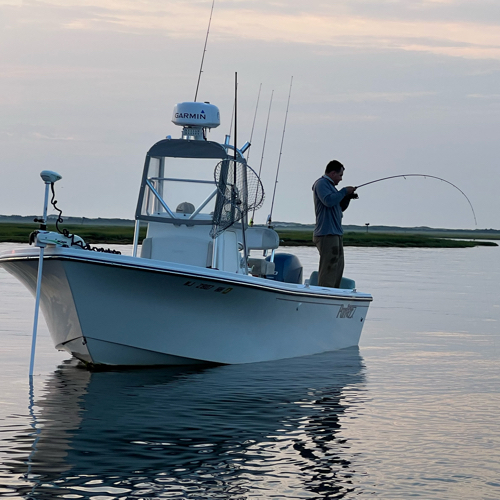
- Light Tackle Fishing Charters In Barnegat Bay


Summary
Reel in summer flounder during an unforgettable fishing and tours adventure in Barnegat Bay with Captain Daniel DiPasquale of Hog Moon Fishing LLC. This Thursday in September captures the essence of Barnegat Light's premier flats fishing, where skilled anglers connect with these prized game fish in their natural coastal habitat.
Fishing with Captain Daniel DiPasquale - Rates & Booking
Captain Daniel DiPasquale of Hog Moon Fishing LLC guided anglers to this exceptional summer flounder catch on Thursday, September 3rd in the productive waters surrounding Barnegat Light. Summer flounder fishing in Barnegat Bay offers some of the most rewarding opportunities along the New Jersey coast, where experienced captains know exactly where these bottom-dwelling predators congregate during the warmer months.
To book your own summer flounder fishing adventure or inquire about available rates and package options, contact Hog Moon Fishing LLC directly. Captain DiPasquale specializes in both fishing excursions and guided tours throughout the Barnegat Bay area, tailoring each trip to match your skill level and fishing preferences. His local expertise and deep knowledge of the seasonal patterns ensure you'll spend your time on the most productive waters.
Highlights of Summer Flounder Fishing Adventures
Barnegat Bay represents one of New Jersey's most dynamic fishing environments, where shallow flats, deeper channels, and grass beds create ideal summer flounder habitat. The combination of tidal movements and nutrient-rich waters draws these aggressive feeders, making for exciting and consistent fishing action throughout the season.
What makes this fishery special is the blend of technical skill and genuine excitement. Stalking summer flounder requires reading water conditions, understanding their feeding patterns, and executing precise casts in relatively shallow water. When they strike, the fight is immediate and satisfying, and the catch provides both an incredible memory and an excellent meal.
Local Species Insights: Summer Flounder
Summer flounder, also called fluke, are masters of camouflage and bottom-feeding strategy. These flatfish spend their days buried in sand and mud, using their excellent vision to detect passing prey. They're ambush predators that strike quickly at baitfish, shrimp, and other bottom-dwelling organisms. In Barnegat Bay, summer flounder thrive in the shallow, protected waters where sand flats transition into deeper channels - exactly the terrain Captain DiPasquale knows intimately.
The waters around Barnegat Light maintain the perfect conditions for summer flounder from late spring through early fall. As water temperatures warm into the seventies and eighties, these fish become increasingly active and aggressive. They position themselves near structure like grass beds, mussel bars, and depth changes where they intercept food-laden currents. Anglers who understand these habitat preferences dramatically increase their success rates.
Summer flounder are highly migratory fish that follow seasonal temperature patterns. During summer months, they move into northern bays and estuaries like Barnegat, making this the prime fishing season. Their laterally compressed bodies allow them to hover just above the bottom, and their ability to match surrounding colors provides nearly perfect concealment. This makes sight-fishing and detecting subtle takes essential skills for consistent success.
The fishing experience in Barnegat Bay combines the technical challenge of shallow-water fishing with the raw excitement of aggressive strikes. When you're standing in shallow water with clear visibility, watching a summer flounder dart from its hiding spot toward your lure, the adrenaline rush is immediate and unforgettable. Whether you're a seasoned angler refining your technique or an enthusiastic beginner learning the nuances of bottom fishing, Barnegat Bay delivers memorable moments and genuine fishing challenge.
Plan Your Summer Flounder Fishing Day
When you book a fishing trip with Captain Daniel DiPasquale in Barnegat Light, expect a focused, action-packed day on the water. Most anglers find that summer flounder fishing rewards both patience and active presentation - this isn't passive waiting, but engaged, intentional angling. Bring sun protection, polarized sunglasses for spotting fish in shallow water, and comfortable clothing suitable for changing water conditions. The bay environment is generally protected from open ocean swells, making for manageable water conditions even when offshore winds pick up.
Timing matters significantly for summer flounder fishing. Tidal movement concentrates these fish along specific channels and structure, and Captain DiPasquale times trips around these predictable patterns. Whether you're fishing the incoming tide through shallow grass beds or working deeper channels during slack water, each phase of the tide presents distinct opportunities and requires different tactical adjustments.
Fishing in Barnegat Bay: Summer Flounder
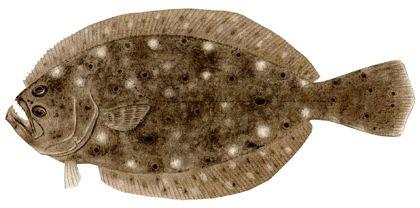
Summer Flounder Overview
The Summer Flounder, scientifically known as Paralichthys dentatus, is a fascinating flatfish species belonging to the family Paralichthyidae and order Pleuronectiformes. Known affectionately as the "chameleons of the sea," these remarkable fish are one of several sand flounders with both eyes positioned on the left side of their heads—a trait that develops as they mature from normal-looking juveniles. Summer Flounder are grayish-brown with lighter spots that provide excellent camouflage against the sandy and muddy seafloor where they spend their lives. This species is native to the Atlantic Coast and is a beloved target for anglers from Massachusetts to Florida, offering both an exciting fishing experience and excellent table fare.
Summer Flounder Habitat and Distribution
Summer Flounder are primarily found along the East Coast of the United States and Canada, thriving in waters that stretch from North Carolina to Massachusetts, with populations extending from Nova Scotia to eastern Florida. These demersal fish prefer both inshore and offshore environments, making their home in estuaries, bays, and continental shelf waters where sandy and muddy bottoms provide ideal hunting grounds. They typically occupy depths where they can effectively use their camouflage to ambush prey. The species is usually captured using bottom otter trawls, gillnets, and pound nets, indicating their preference for seafloor habitats. In popular fishing destinations along the Atlantic seaboard, Summer Flounder populations remain robust during the warmer months, with seasonal migrations influenced by water temperature and food availability.
Summer Flounder Size and Weight
The average Summer Flounder measures between 15 to 20 inches in length, though specimens can grow considerably larger, reaching up to 37 inches and weighing as much as 5 pounds. The largest recorded individuals have exceeded 26 pounds, making trophy-sized catches a genuine possibility for dedicated anglers. Female Summer Flounder typically grow larger and live longer than males, with maximum observed ages of 17 years for females and 15 years for males. Most fish you'll encounter while fishing will fall in the 15 to 20-inch range, making them ideal for both recreational catch-and-release and culinary purposes.
Summer Flounder Diet and Behavior
Summer Flounder are active ambush predators that rely on their exceptional camouflage and bottom-dwelling lifestyle to catch unsuspecting prey. These cunning hunters can rapidly change their coloring to match their surroundings, allowing them to blend seamlessly with the seafloor until an opportunity presents itself. When ambush tactics fail, they employ impressive swimming ability to chase down faster-moving prey. Their diet consists of a diverse array of bony fish including sand lance, menhaden, Atlantic silverside, mummichog killifish, and small bluefish, supplemented by invertebrates such as crabs, shrimp, and squid. Young Summer Flounder and juveniles face predation from spiny dogfish, monkfish, cod, hakes, sea raven, and longhorn sculpin, while adult fish are vulnerable to large sharks, rays, and monkfish. This natural predation helps maintain ecological balance in coastal marine ecosystems.
Summer Flounder Spawning and Seasonal Activity
Summer Flounder exhibit fascinating reproductive behavior, with peak spawning occurring during October and November when water temperatures drop and plankton abundance reaches seasonal highs. This timing is no accident—the combination of optimal water conditions and abundant food resources significantly increases survival rates for larval Summer Flounder hatching in continental shelf waters. Female Summer Flounder are remarkably prolific, producing between 460,000 to more than 4 million eggs during a spawning season. While these fish can be caught year-round, they are considerably easier to catch between September and November when they're most active and concentrated in accessible fishing areas. Spring and summer months see them more dispersed, though committed anglers can still find success with proper techniques and location knowledge.
Summer Flounder Techniques for Observation and Capture
Live Bait Method: Summer Flounder respond exceptionally well to live baitfish, making this the most effective angling approach. Use live minnows, mullet, or croakers, hooking smaller baits through the eye and larger specimens through the lips. A standard 7-foot casting rod paired with sturdy line capable of handling larger fish is the go-to setup for most anglers. Cast near structure, sandy patches, and channel edges where Flounder commonly hunt. Around coastal cities like Montauk, New York and similar Atlantic fishing hubs, targeting deeper channels during tidal changes often yields impressive results.
Natural Bait Alternative: Sea worms and clams are also effective attractants that Summer Flounder find irresistible. Use a circle hook, as these are easier for Flounder to properly bite, improving your hook-up ratio significantly. A sinker may be necessary to keep your bait within reach of bottom-dwelling Flounder, particularly in deeper offshore waters.
Timing and Location Strategy: Fish during slack tide or early in the tidal change when Flounder are most actively feeding. Target sandy and muddy bottom habitats in 15 to 60 feet of water, adjusting depth based on seasonal migration patterns. The fall migration (September through November) concentrates fish in predictable locations, making this the optimal season for consistent success.
Summer Flounder Culinary and Utilization Notes
Summer Flounder possess excellent food quality and are highly prized for their delicate, flavorful white flesh. The meat is lean and mild, making it suitable for a wide variety of culinary preparations including pan-frying, baking, steaming, and poaching. Their flat body structure yields beautiful fillets with minimal waste. Nutritionally, Summer Flounder provide excellent protein, omega-3 fatty acids, and essential minerals. It's important to note that a permit is required for the commercial sale and purchase of Summer Flounder, supporting sustainable fishery management along the Atlantic Coast. Recreational anglers can keep legal-sized fish for personal consumption, contributing to both food security and connection with coastal traditions.
Summer Flounder Frequently Asked Questions
Q: What is the best bait for catching Summer Flounder?
A: Live baitfish such as minnows, mullet, and croakers are highly effective, as are sea worms and clams. Hook smaller baits through the eye and larger ones through the lips. Circle hooks are recommended because they're easier for Flounder to bite securely.
Q: Where can I find Summer Flounder near major fishing cities?
A: Summer Flounder are abundant along the entire Atlantic Coast from North Carolina to Massachusetts. Popular spots include estuaries, bays, and offshore channels. Around cities like Boston, New York, and Wilmington, look for sandy and muddy bottom habitats in 15 to 60 feet of water during the September through November migration season.
Q: Is Summer Flounder good to eat?
A: Absolutely! Summer Flounder have excellent food quality with delicate, flavorful white flesh that's lean and versatile. They're suitable for pan-frying, baking, steaming, or poaching, and provide excellent nutrition including protein and omega-3 fatty acids. A permit is required for commercial sale, but recreational anglers can keep legal-sized fish for personal consumption.
Q: When is the best time to catch Summer Flounder?
A: While catchable year-round, Summer Flounder are easiest to catch between September and November during their fall migration. Spring and summer require more effort, but success is still possible for patient anglers. Peak spawning occurs in October and November when fish are most concentrated and active.
Q: What fishing gear setup do I need for Summer Flounder?
A: A standard 7-foot casting rod paired with sturdy line capable of handling larger fish is the recommended setup. Use circle hooks for better hook-ups, and include a sinker to keep your bait near the bottom where Flounder hunt. Adjust sinker weight based on water depth and current strength.
Q: Why are Summer Flounder called "chameleons of the sea"?
A: Summer Flounder have the remarkable ability to rapidly change their coloring to match the texture and color of the bottom where they live. This exceptional camouflage allows them to blend invisibly with the seafloor, giving them a significant advantage when ambush hunting for prey. This adaptive capability is why anglers sometimes see them practically vanish against sandy or muddy backgrounds.