%2Ffit-in%2F250x250%2Fusers%2F7d4fbd65-bfba-44a9-8bff-f151cde180e4%2Fimages%2F8f9c57a6-0f6e-4c69-8d39-28cc9a6a1858.jpg&w=1920&q=100)
Flounder Fishing Charter Barnegat Light NJ
Southern Flounder Fishing in Barnegat Light - What to Expect
%2F%2Fusers%2F7d4fbd65-bfba-44a9-8bff-f151cde180e4%2Fimages%2Fsouthern-flounder-barnegat-light-catch-2613.jpg&w=1920&q=75)
Fishing, Tours Adventures by Captain Daniel DiPasquale in July
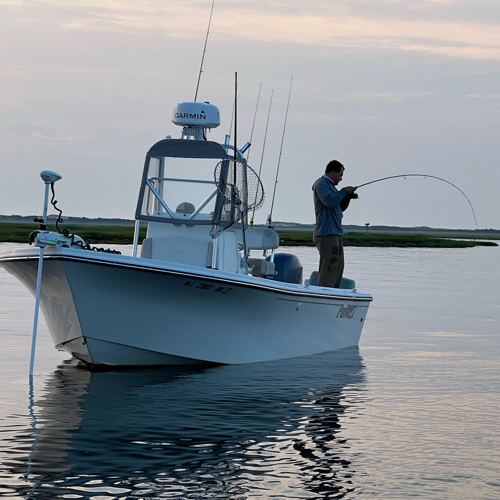
Meet your Captain Daniel DiPasquale
- Light Tackle Fishing Charters In Barnegat Bay


Summary
Join Captain Daniel DiPasquale for a Saturday, July fishing adventure targeting Southern flounder in Barnegat Bay. This guided fishing charter combines expert technique with the productive shallow waters near Barnegat Light, where these prized flatfish are abundant during peak season. Experience hands-on instruction from a seasoned local captain with deep knowledge of tidal patterns and seasonal migrations.
Fishing with Captain Daniel DiPasquale - Rates & Booking
Captain Daniel DiPasquale of Hog Moon Fishing LLC guided this productive Saturday, July outing in Barnegat Bay. His approach combines traditional flatfish hunting techniques with modern presentation methods, targeting Southern flounder where the structure and bottom composition create ideal habitat. Captain DiPasquale brings years of local knowledge specific to the New Jersey coastal waters and seasonal flounder movements. All fishing charters include professional guidance, tackle expertise, and access to proven fishing grounds. Contact Hog Moon Fishing LLC to reserve your charter and receive detailed information about group size, trip duration, and booking availability.
Highlights of This Southern Flounder Adventure
Barnegat Bay offers exceptional shallow-water opportunities for flounder fishing during the summer months. The bay's complex system of channels, shoals, and structure creates predictable feeding zones where Southern flounder stage before seasonal migrations. Captain DiPasquale's charter strategy focuses on reading water conditions, deploying appropriate tackle presentations, and understanding how tides influence flounder activity throughout the day.
The hands-on experience includes learning live bait selection, proper rigging techniques, and the subtle takes that characterize flounder fishing. Anglers frequently encounter other species including striped bass and weakfish, adding variety to the day on the water. The protected bay waters provide accessible fishing for both experienced anglers and those new to flatfish pursuits.
Local Species Insights: Southern Flounder
Southern flounder dominate Barnegat Bay's summer fishing opportunities, making them the primary focus for guided charters during peak season. These bottom-dwelling flatfish exhibit camouflage behavior that allows them to blend seamlessly with sandy and muddy substrates. Their ambush feeding strategy involves remaining stationary on the bottom until prey items pass nearby, triggering explosive strikes.
Southern flounder thrive in estuarine environments like Barnegat Bay where salinity levels, temperature, and food availability align with their biological preferences. They feed heavily on small fish, crustaceans, and other baitfish throughout their active seasons. Understanding their habitat preferences and daily movement patterns separates successful charters from mediocre outings. In Barnegat Bay specifically, flounder concentrate around channel edges, drop-offs, and areas where current flow concentrates bait. Captain DiPasquale's experience reading these subtle bottom features and water conditions gives anglers a significant advantage in locating productive fishing zones.
The visual and tactical experience of flounder fishing differs significantly from open-water techniques. Anglers learn to detect the characteristic firm take and feel the weight of a hooked flounder fighting from the bottom. The fight style reflects their bottom-hugging nature, with powerful head shakes and runs toward cover or deeper water. Successfully landing these fish requires proper rod angles, steady pressure, and understanding how to work the boat positioning to maintain advantages during the fight.
Water conditions in Barnegat Bay during summer typically feature moderate to good visibility, allowing anglers to observe bottom structure and activity levels. Tidal movement significantly influences flounder feeding windows, and Captain DiPasquale times charters to coincide with optimal feeding periods. Temperature stability in the bay's shallow water creates extended activity windows throughout the day, though specific hours deliver more aggressive feeding behavior than others.
Plan Your Southern Flounder Fishing Day
Charter structure focuses on maximizing productive fishing hours while accommodating group preferences and skill levels. Captain DiPasquale's approach combines active fishing techniques with educational components that build angler confidence and competence. The bay's protected waters and accessible depths create a comfortable fishing environment with manageable conditions. Wear appropriate sun protection, bring polarized sunglasses for improved visibility of bottom structure, and prepare for extended time on the water. All necessary fishing tackle is provided, and Captain DiPasquale handles rigging and technique coaching throughout the outing.
Fishing in Barnegat Bay: Southern Flounder
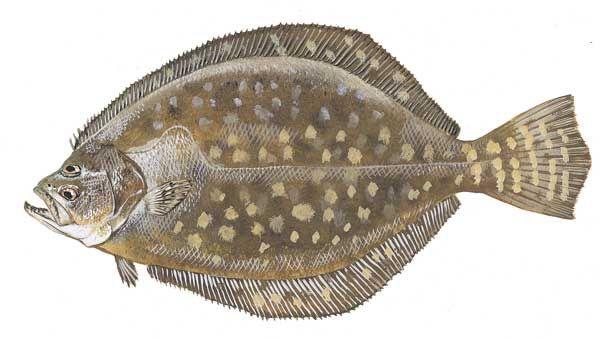
Southern Flounder Overview
The Southern Flounder (Paralichthys lethostigma) is a fascinating member of the Paralichthyidae family within the order Pleuronectiformes. What makes this flatfish truly remarkable is its distinctive asymmetrical eye placement—both eyes positioned on the left side of its head—and its remarkable ability to camouflage itself against sandy and muddy bottoms. These bottom-dwelling ambush predators are native to coastal waters across the Atlantic seaboard and Gulf of Mexico, making them a favorite target for both recreational and commercial anglers. Unlike their close cousin the Summer Flounder, Southern Flounders display numerous light and dark blotches rather than the oscillating spot patterns found on other flounder species. Whether you're casting lines near coastal channels or exploring estuaries, encountering this skilled predator is a genuine thrill that keeps anglers coming back season after season.
Southern Flounder Habitat and Distribution
Southern Flounders thrive in shallow coastal marine environments spanning from the Atlantic seaboard down through the Gulf of Mexico. You'll find them inhabiting sandy, rocky, or muddy bottoms in bays, rivers, lakes, estuaries, and inshore channels where they can easily ambush unsuspecting prey. These fish prefer staying in water shallow enough to maintain their bottom-dwelling lifestyle, which makes them accessible to shore-based and small boat anglers alike. During winter months, most adult specimens migrate offshore to deeper, warmer waters, so timing your fishing trips accordingly can significantly impact your success rates. The species thrives in areas with strong tidal currents and rich prey populations, making river mouths and coastal channels particularly productive fishing zones.
Southern Flounder Size and Weight
Southern Flounders typically range from 12 to 18 inches in length, with exceptional specimens stretching up to 33 inches or more. The average catch weighs around 1 to 4 pounds, which makes for excellent table fare and enjoyable sport on light-to-medium tackle. However, the all-tackle weight record stands at an impressive 20 pounds 9 ounces, proving that genuine trophy-sized flounders do exist for patient and skilled anglers willing to pursue them. Size varies considerably depending on habitat quality, water temperature, and food availability, with offshore populations generally producing larger specimens than their inshore cousins.
Southern Flounder Diet and Behavior
These masterful hunters are ambush predators that spend much of their day buried beneath sand or mud on the seafloor, waiting for unsuspecting prey to swim overhead. Their primary diet consists of worms, shrimp, blue crabs, and smaller fish species including anchovies, menhaden, and mullets. What's truly impressive is their ability to change color and pattern to perfectly match their surrounding substrate, effectively becoming invisible to both prey and predators. This chameleon-like adaptation is one of nature's most effective hunting strategies. Southern Flounders exhibit anguilliform swimming patterns, using their bodies and caudal fin to move gracefully through water despite their flattened body shape. Behaviorally, they're most active during tidal movements when increased water flow brings more food opportunities within striking distance.
Southern Flounder Spawning and Seasonal Activity
Female Southern Flounders demonstrate remarkable reproductive capacity, capable of releasing up to 9,000 eggs during a single spawning event. Spawning typically occurs during late fall and winter months, with larvae drifting into estuaries and shallow bays as nursery grounds throughout spring and early summer. Juvenile flounders grow rapidly in these nutrient-rich nurseries before gradually moving to deeper offshore waters as they mature. Males exhibit notably shorter lifespans compared to females, typically living only three years maximum, while females can reach considerably older ages. This pronounced sexual dimorphism in lifespan makes protecting breeding populations especially important for long-term fishery sustainability.
Southern Flounder Techniques for Observation or Capture
Still Fishing and Drift Fishing: The most effective method involves still fishing or drift fishing directly over known flounder habitat on sandy or muddy bottoms. Position your boat in channels or along drop-offs where these fish congregate. Use a single-hooked slip lead or free-line rig with heads ranging from 1/4 to 3/8 inches. Light-to-medium rod and reel combinations spooled with 10-pound test line work perfectly. Cast your rig uptide and maintain bottom contact, feeling for the characteristic tap-tap-tap of a feeding flounder.
Live Bait Presentation: Bull minnows, mullets, and live shrimp represent the gold standard baits for Southern Flounders. Present these offerings on the bottom where flounders hunt, allowing natural movement to trigger strikes. Around coastal areas like the Louisiana bayous or North Carolina sounds, fresh live shrimp often outperforms all other baits, particularly during peak tidal movements.
Fly Fishing: For a more engaging challenge, try fly fishing with medium-weight lines and small streamer patterns that mimic baitfish. Cast along channel edges and drop-offs, then execute slow, pulsing retrieves near the bottom. This technique works particularly well in shallower estuarine waters where sight-casting is possible.
Southern Flounder Culinary and Utilization Notes
Southern Flounder ranks among the finest eating flatfish available to anglers, featuring delicate, mild white meat with excellent flavor and tender texture. The meat cooks beautifully whether pan-seared, baked, or deep-fried, making it a favorite at both family dinners and upscale restaurants. A single 2-3 pound flounder provides a satisfying meal for two people, while larger specimens offer enough fillets for family gatherings. The high-quality protein, low fat content, and absence of strong fishy flavors make this species appealing even to seafood skeptics. From a sustainability perspective, recreational harvest at reasonable levels remains sustainable in most regions, though always check local regulations and size limits before keeping your catch.
Southern Flounder Frequently Asked Questions
Q: What is the best bait for catching Southern Flounder?
A: Live bull minnows, mullets, and shrimp consistently outperform artificial offerings. Fresh live shrimp typically produces the highest success rates, particularly during moving tide periods when flounders actively feed. The key is presenting your bait directly on the bottom where these ambush predators hunt.
Q: How do I distinguish a Southern Flounder from a Summer Flounder?
A: The most reliable distinguishing feature is the spot pattern on the dark side. Southern Flounders display numerous light and dark blotches and irregular spots, while Summer Flounders exhibit more uniform, oscillating spot patterns. Additionally, Southern Flounders typically have less developed pectoral fins compared to their cousins.
Q: When is the best time to catch Southern Flounder?
A: Spring through early fall offers excellent opportunities as fish remain in shallower inshore waters. Winter months see most flounders migrating offshore to deeper refuge, making them harder to access from shore. Tidal movements create peak feeding windows, so fish moving tides whenever possible for maximum productivity.
Q: Are Southern Flounders good to eat?
A: Absolutely—they rank among the finest-tasting flatfish available. The delicate white meat offers mild flavor and tender texture, cooking beautifully through multiple preparation methods. A 2-3 pound flounder provides an excellent meal, while larger specimens offer abundant fillets for family dining.
Q: What fishing techniques work best for Southern Flounder?
A: Still fishing and drift fishing over bottom habitat produce the most consistent results. Position your boat in channels or along defined drop-offs, maintaining bottom contact with your rig. Light-to-medium tackle spooled with 10-pound test line provides excellent sensitivity for detecting the subtle takes these bottom feeders produce.
Q: Can I sight-cast to Southern Flounder in shallow water?
A: Yes, in clear shallow estuaries and bays you can occasionally spot feeding flounders and cast to them directly. However, their excellent camouflage makes spotting them challenging. Fly fishing with streamers works well in these situations, though traditional bottom-fishing techniques remain more consistently productive.