%2Ffit-in%2F250x250%2Fusers%2F7d4fbd65-bfba-44a9-8bff-f151cde180e4%2Fimages%2F8f9c57a6-0f6e-4c69-8d39-28cc9a6a1858.jpg&w=1920&q=100)
Barnegat Light NJ Fishing Charter - Book Captain DiPasquale
Fishing Charters in Barnegat Light - What to Expect
%2F%2Fusers%2F7d4fbd65-bfba-44a9-8bff-f151cde180e4%2Fimages%2Fbarnegat-light-fishing-action-2450.jpg&w=1920&q=75)
Fishing, Tours Adventures by Captain Daniel DiPasquale in August
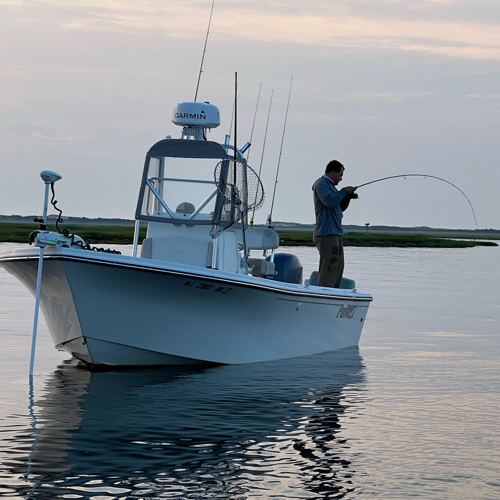
Meet your Captain Daniel DiPasquale
- Light Tackle Fishing Charters In Barnegat Bay


Summary
Join Captain Daniel DiPasquale of Hog Moon Fishing LLC on Friday, August for an unforgettable fishing and tours adventure in Barnegat Bay. This charter showcases the thrill of saltwater fishing in one of New Jersey's premier fishing destinations, where experienced guides help you land quality catches and understand the techniques that make local waters productive.
Fishing Charters with Captain Daniel DiPasquale - Rates & Booking
Captain Daniel DiPasquale of Hog Moon Fishing LLC guides fishing and adventure tours in Barnegat Bay on Friday, August. His charter-based approach focuses on connecting anglers with productive waters and teaching the techniques that lead to successful catches. Prospective anglers interested in booking should contact Hog Moon Fishing LLC directly to discuss available dates, group size, and specific targeting preferences.
Charter experiences typically include access to well-maintained fishing vessels equipped for Barnegat Bay conditions, guidance from a captain with local knowledge, and instruction tailored to your skill level. Captain DiPasquale brings expertise in reading water conditions, identifying productive zones, and matching tackle and techniques to seasonal fish behavior. Trust the experience of a local guide who understands how environmental factors and seasonal patterns drive fishing success in New Jersey coastal waters.
Highlights of Barnegat Bay Fishing Adventures
Barnegat Bay represents one of the Northeast's most dynamic fishing environments, offering anglers access to diverse species and variable water conditions that reward both technique and adaptability. The bay's combination of shallow flats, deeper channels, and grass beds creates habitat that supports year-round fishing opportunities. Captain DiPasquale's knowledge of these microhabitats helps position you where fish are actively feeding and responsive to your presentation.
The experience combines the physical engagement of active fishing with the natural beauty of coastal New Jersey. Early morning light reflecting off the water, the subtle movements indicating fish activity, and the connection between technique and results create memorable moments that extend beyond simply landing a catch. Understanding why fish position themselves in certain areas and how water temperature and tide influence their behavior adds depth to your experience on the water.
Local Fishing Insights and Bay Conditions
Barnegat Bay operates as a semi-enclosed estuary where freshwater input from inland sources mixes with Atlantic tidal influence. This unique environment supports fish species adapted to variable salinity levels and creates feeding opportunities tied closely to tidal cycles. Understanding tidal movement becomes essential to successful fishing here - incoming tides push baitfish into shallow feeding zones, while outgoing tides concentrate fish in deeper channels and near structure.
Water clarity in Barnegat Bay varies seasonally and by location. During periods of low freshwater input, visibility improves and sight-fishing techniques become more effective. Conversely, higher visibility requires more subtle presentations and careful approach angles to avoid spooking fish. Captain DiPasquale reads these conditions in real-time, adjusting strategies to match what the water is showing and how fish are responding to current presentations.
The bay's bottom composition transitions from mud and silt in deeper areas to sand and grass in shallow zones. This diversity creates distinct microhabitats where different species congregate. Grass beds provide cover and feeding grounds, while deeper holes and channel edges concentrate fish during low water periods. Learning to identify these structural features helps you understand fish positioning and improves your ability to predict where catches are likely to occur.
Seasonal patterns significantly influence fishing success in Barnegat Bay. Spring brings warming water and increased baitfish activity as species move inshore to spawn. Summer maintains consistent fishing pressure as populations remain established in productive zones. Fall sees fish building condition for winter while responding to cooling water temperatures and shifting prey availability. Winter fishing requires patience and knowledge of deep-water refuges where fish concentrate during cold periods.
The connection between weather patterns and fishing conditions deserves understanding. Wind direction influences water temperature distribution, baitfish location, and fish feeding behavior. Barometric pressure changes trigger feeding responses in many species. Sunrise and sunset periods create light conditions that often enhance feeding activity. Captain DiPasquale incorporates these environmental factors into his approach, recognizing that successful fishing reflects accumulated knowledge about how natural systems influence fish behavior.